
Extension Spring conversion to Torsion spring
Replacing a Spring System That's Reached Its Limits
Extension Spring conversion to Torsion spring in Rock Falls and Sterling for homeowners moving away from stretch-based systems prone to cable failure and uneven door travel
The gap between how an extension spring system looks when new and how it performs after several years of cycling is significant. Anchor Garage Door handles extension spring to torsion spring conversions in Rock Falls and Sterling for properties where the existing stretch-cable system is producing jerky door movement, snapping cables, or failing to hold the door balanced at mid-travel. These are observable signs that the spring type is no longer suited to the door's current weight, wear level, or operational demands—and they typically worsen before they resolve on their own.
Extension springs run horizontally above the tracks on each side of the door and operate by stretching under load as the door descends. That design creates a few structural limitations: the springs pull unevenly if one side fatigues faster than the other, the cable pulleys that redirect tension wear at the bracket attachment points, and when a spring snaps, the door can drop unevenly because the safety cable—if present—only catches the broken coil, not the door itself. Torsion springs, by contrast, mount on a single central shaft and apply torque evenly across the full width of the door, which produces smoother lift and reduces lateral stress on the tracks.
Arrange a consultation to review your current spring configuration and the specific factors driving the conversion decision.
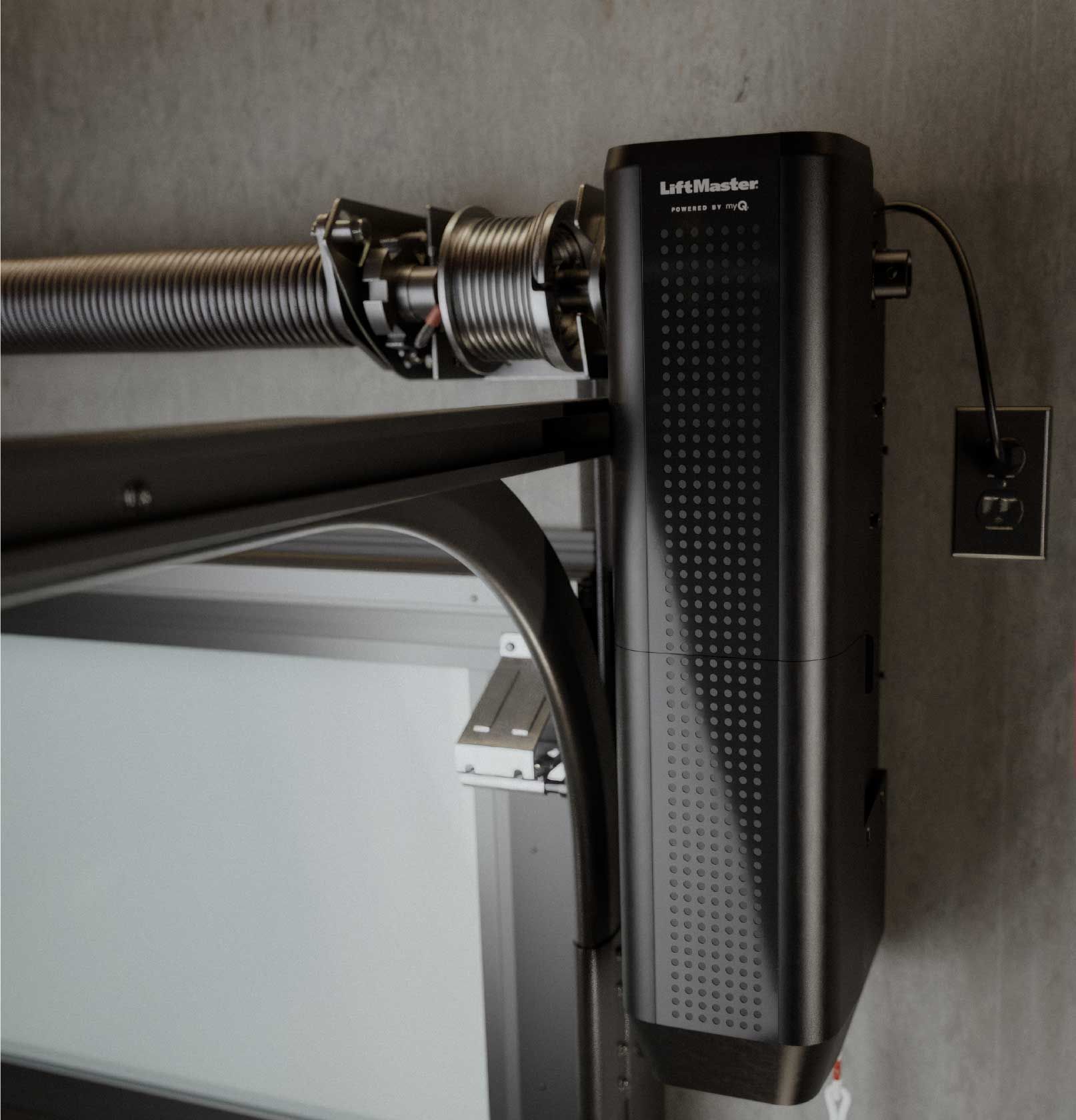
How Converting from Extension to Torsion Springs Works
The conversion process begins with removing the existing extension springs, pulley brackets, and lift cables, then installing a torsion shaft above the door header with appropriately rated springs wound to the correct tension for the door's measured weight. Spring selection involves calculating the wire diameter and coil count needed to produce the right inch-pounds of torque—under-wound springs leave the door feeling heavy and overload the operator, while over-wound springs create upward pressure that makes the door difficult to close manually.
After conversion, the door's travel becomes noticeably smoother from bottom to top, without the slight lurch or hesitation that often develops with fatigued extension springs. The operator runs quieter because it's working against balanced mechanical resistance rather than compensating for uneven spring tension. You'll also notice the door holds position at any point along its travel path when manually released, which is the clearest indicator that the spring system is correctly tensioned for the door's actual weight.
One factor that affects conversion scope is whether the existing track hardware is compatible with the new system—particularly the cable drum placement and the header bracket anchor point, which must be secured to solid framing rather than drywall or sheathing. Anchor Garage Door inspects the framing above the door opening during the initial visit to confirm the anchor point is structurally adequate before tensioning the new spring assembly.
Answers to Frequent Service Questions
These are the questions that come up most often when homeowners are weighing a conversion from extension to torsion springs and want to understand the functional and practical differences before the work begins.
Why do extension springs fail more often than torsion springs on the same door?
Extension springs accumulate fatigue at the hook ends and coil body with each stretch cycle, and because the two sides operate independently, one spring typically wears faster—creating imbalance that accelerates failure on the other side.
What makes torsion springs a more durable option for most residential doors?
Torsion springs are rated in cycles based on wire diameter and coil count matched to door weight, and because they store energy through rotation rather than stretching, they distribute stress more evenly across the coil body over time.
How does Illinois weather affect extension spring performance?
Temperature cycling in Rock Falls causes metal to contract and expand repeatedly—extension spring hooks and anchor brackets experience this stress at connection points, which is where cracking and separation most commonly begin after several winters.
What is included in a spring conversion versus a standard spring replacement?
A conversion replaces the full spring mechanism type and associated hardware—pulley brackets, lift cables, and drum assemblies—rather than swapping like-for-like components, which is the distinction between changing the system and maintaining the existing one.
How do I know if my current extension springs have safety cables installed?
Safety cables thread through the center of each extension spring and anchor at both ends—if you look at the springs above your tracks and don't see a cable running through the coils, your system is operating without that secondary retention measure.
Anchor Garage Door measures door weight, inspects existing hardware, and confirms framing conditions before finalizing the conversion scope, so there are no surprises during installation. Set up an appointment to have your current spring system evaluated in detail.